

.svg)


.jpg)
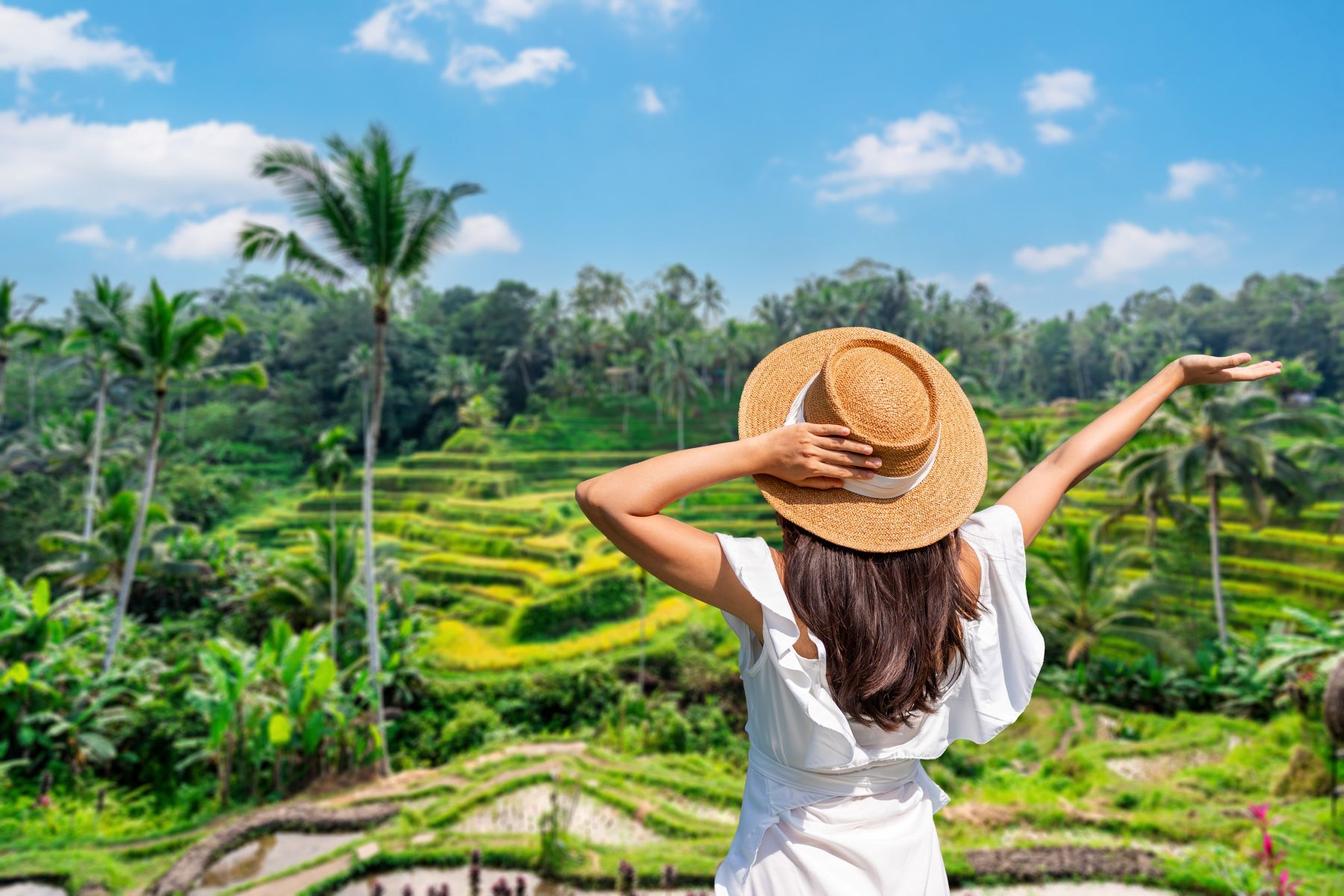
They get mentioned in the same breath, they cost roughly the same to reach, and they sit less than four hours apart by air. For anyone booking a winter trip out of Europe, Phuket and Bali are the two names that come up first, and most people pick between them on instinct or on whichever appeared in their feed that week.
They are not interchangeable. For travel between November and March in particular, one of them has a clear advantage that most guides skate over, and it comes down to rain.
Here is an honest comparison, including the parts that do not appear in the brochures.
The weather, which settles more than people expect
Phuket's dry season runs from November to April. December through February is the best of it, with daytime temperatures around thirty degrees, low humidity by tropical standards, calm seas on the west coast and very little rain. It is the single best time of year to be there, which is precisely why it is the busiest and most expensive.
Bali's dry season is the opposite. It runs from April to October, which means a winter trip lands in the middle of the wet season. January and February are the wettest months of the Balinese year. In practice this rarely means washed-out days. It usually means heavy afternoon downpours that clear within an hour or two, high humidity throughout, and a greener, more dramatic landscape than the dry season offers. But it does mean cloud, it does mean the occasional lost day, and on the west coast beaches it means the monsoon currents push a great deal of plastic and debris onto the sand between December and February. Beach cleaning crews work daily and the problem is real.
If your trip is built around sitting on a beach in reliable sunshine, Phuket is the better bet in winter and it is not close. If your trip is built around interior Bali, Ubud, the temples, the rice terraces, food and wellness, the wet season matters much less, and you get lower prices and thinner crowds in return.
Getting there
Phuket is the easier journey from most of Europe. An overnight flight to Bangkok followed by a short domestic hop, a connection through Singapore, or one of the seasonal direct services, puts you at the hotel in around sixteen hours door to door. Bali usually means a connection in the Gulf, Singapore or Kuala Lumpur and something closer to eighteen to twenty hours in total.
Both destinations have entry requirements that are worth checking against your own passport before you book, since visa terms, arrival cards and tourist levies vary by nationality and both countries have changed theirs recently. Whatever applies to you, none of it is difficult, but all of it needs doing in advance rather than at the airport.
The beaches
Phuket has the better beaches, straightforwardly. Kata Noi, Surin, Bang Tao, Nai Harn and Freedom Beach are proper white sand with calm, clear, swimmable water through the winter months. Patong is the famous one and also the one to avoid unless nightlife is the point. The west coast catches the sunset, so the whole island is oriented towards the evening.
The other advantage is what lies offshore. Phang Nga Bay, with its limestone karsts rising out of flat green water, is one of the great sights in Asia, and the Phi Phi islands and the Similans, whose season runs from October to May, put world-class snorkelling and diving within a day trip.

Bali's beaches are a weaker proposition, particularly in winter. The west coast strip from Seminyak to Canggu is better for surfing, sunset bars and people-watching than for swimming, and it takes the worst of the monsoon debris. The good ones are elsewhere: the cliff-backed coves of the Bukit peninsula at Bingin, Padang Padang and Balangan, the calm shallow water at Sanur on the east coast, and the black sand and clear diving at Amed in the north east. For picture-postcard beaches you go to Nusa Penida, and Kelingking beach is worth the boat crossing and the walk.
Where to stay
Both islands do luxury exceptionally well, but in different registers.
In Phuket, Amanpuri at Pansea remains the benchmark and one of the most quietly perfect hotels anywhere. Trisara on the north-west coast is its closest rival and holds a Michelin-starred restaurant in PRU. Rosewood Phuket and Anantara Layan both sit on private stretches of sand, Banyan Tree anchors the Laguna complex at Bang Tao for families who want everything on site, and Keemala in the hills above Kamala is the design-led alternative. For a quieter, more romantic version of the same trip, Six Senses Yao Noi sits across the bay in Phang Nga and is reached by boat.
Bali's range is wider. In Ubud, Four Seasons Sayan, Amandari, Capella and Mandapa each take the river valley setting and do something different with it, and COMO Shambhala remains the serious wellness choice. On the Bukit peninsula, Bulgari and Six Senses Uluwatu sit on the cliffs with the best views on the island, and Alila Villas Uluwatu is the architectural one. Four Seasons Jimbaran Bay is the classic beachfront option, and The Legian and Potato Head Studios cover Seminyak at opposite ends of the mood spectrum. For the older, slower Bali, Amankila on the east coast is the one.
Bali also has far more villa stock, which matters for groups and families. Private pool villas with a cook, a driver and daily housekeeping are standard there in a way they are not in Phuket.
The food
Phuket's food scene is underrated because most visitors never leave the beach strips. Phuket Town's Sino-Portuguese old quarter is where the island actually eats, and Tu Kab Khao and Raya do southern Thai cooking that is worth the drive on its own. Raya in particular, in a crumbling old townhouse, is one of the most memorable meals in Thailand. Elsewhere, PRU at Trisara holds a Michelin star for its hyper-local cooking, Suay and Jampa are the modern Thai choices, and Baan Rim Pa does classic Thai on a cliff over Patong bay. The Sunday walking street on Thalang Road is the best street food on the island.
Bali's scene is more international and more design-conscious. Locavore in Ubud put Indonesian fine dining on the map and still leads it, Room4Dessert next door is a genuine oddity worth experiencing, and Mozaic has been doing tasting menus in the jungle for two decades. In the south, Merah Putih and Sarong are the long-standing Seminyak favourites, Cuca in Jimbaran is inventive and good value, and the sunset spots at Single Fin and Ulu Cliffhouse are as much about the setting as the plate. For the real thing, eat babi guling at a warung and grilled seafood on the sand at Jimbaran.
Both islands are excellent value by European standards. Bali's high end is pricier than Phuket's; Phuket's street food is better and cheaper.
What there is to do
Phuket's attractions are mostly on the water. Phang Nga Bay by longtail or private boat, island hopping to Phi Phi, Coral Island or Racha, diving the Similans, sea kayaking through the hongs. On land there is the Big Buddha, Wat Chalong, the old town, and the Phuket Elephant Sanctuary, which is the credible ethical option among many that are not. Khao Sok National Park, with its lake and limestone cliffs, is a worthwhile overnight trip inland.
Bali's are cultural and inland, and there are more of them. The rice terraces at Tegalalang and Jatiluwih, the water temple at Tirta Empul, the kecak fire dance at Uluwatu at sunset, Tanah Lot, the sunrise trek up Mount Batur, the Sidemen valley, the art and craft villages around Ubud. Add the yoga and wellness industry, which is world-leading and takes the wet season in its stride, and Bali gives you considerably more to fill a fortnight with when the weather turns.
The disadvantages, plainly
Phuket in high season is crowded and priced accordingly. Patong is genuinely unpleasant if it is not your thing. The island is bigger than people expect, so a hotel in the south and an activity in the north can mean an hour each way. And local transport is a long-standing problem: the island's taxi and tuk-tuk trade has resisted metering for years, fares are negotiated rather than fixed, and app-based options are restricted and unreliable in places.
Bali's problem is traffic, and it is worse than any guidebook admits. The roads in the south were built for a fraction of the current volume. Canggu to the airport can take two hours in the wrong conditions. Ubud to the Bukit peninsula is a serious undertaking. The gap between the map distance and the actual journey time is the single biggest shock for first-time visitors, and it quietly reshapes what you can fit into a day. Add the wet season, the scooter accident statistics and a tourism load the island is openly struggling with, and it needs planning in a way Phuket does not.
Which to choose
For a first trip, for reliable sunshine, for beaches and boats, and for anything between December and February, Phuket is the sensible answer.
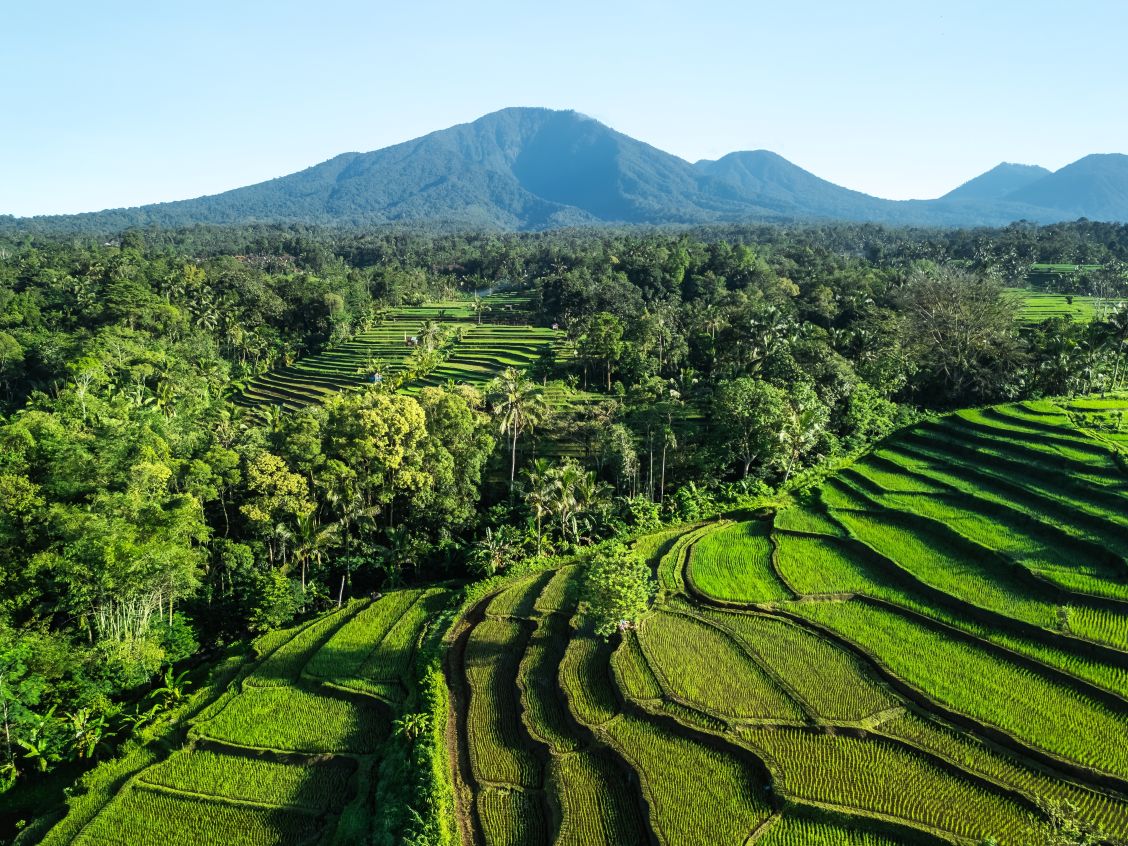
For a second or third trip, for landscape and culture over sand, for wellness, for food and design, for travelling with a group in a villa, and for anyone willing to trade some weather for fewer crowds and lower prices, Bali rewards more.
If you can afford three weeks, do both. They are four hours apart, most routes connect through Singapore or Kuala Lumpur, and they complement each other well: Bali first for the interior, Phuket second to finish on a beach.
Arrange the ground transport before you go
On both islands the journey from the airport sets the tone, and both have the same failure mode. Arriving after fourteen or twenty hours in the air and then negotiating a fare at the kerb, or waiting for an app booking that the local trade would rather you did not make, is a poor start.
Airport Executive operates private chauffeured transfers in both Phuket and Bali, in Economy and Business Class, with a driver meeting your flight and a fixed price agreed before you travel. Economy Class covers the airport run and everyday journeys comfortably, including groups with luggage. Business Class is the one to choose when the car is part of the occasion, or when a long flight deserves a better arrival.
For Bali in particular, keeping a car and a driver for the days you are exploring is less a luxury than a practical necessity, given the traffic and the distances, and it costs far less than most visitors expect. For Phuket, it removes the one genuinely irritating part of an otherwise easy island.
Book the flights, then book the transfers, and arrive knowing exactly who is meeting you.
Book your Phuket transfers here, book your Bali transfers here, or call our reservations team on +44 (0)208 838 3333.
Airport Executive, a better way to travel.