

.svg)


.jpg)
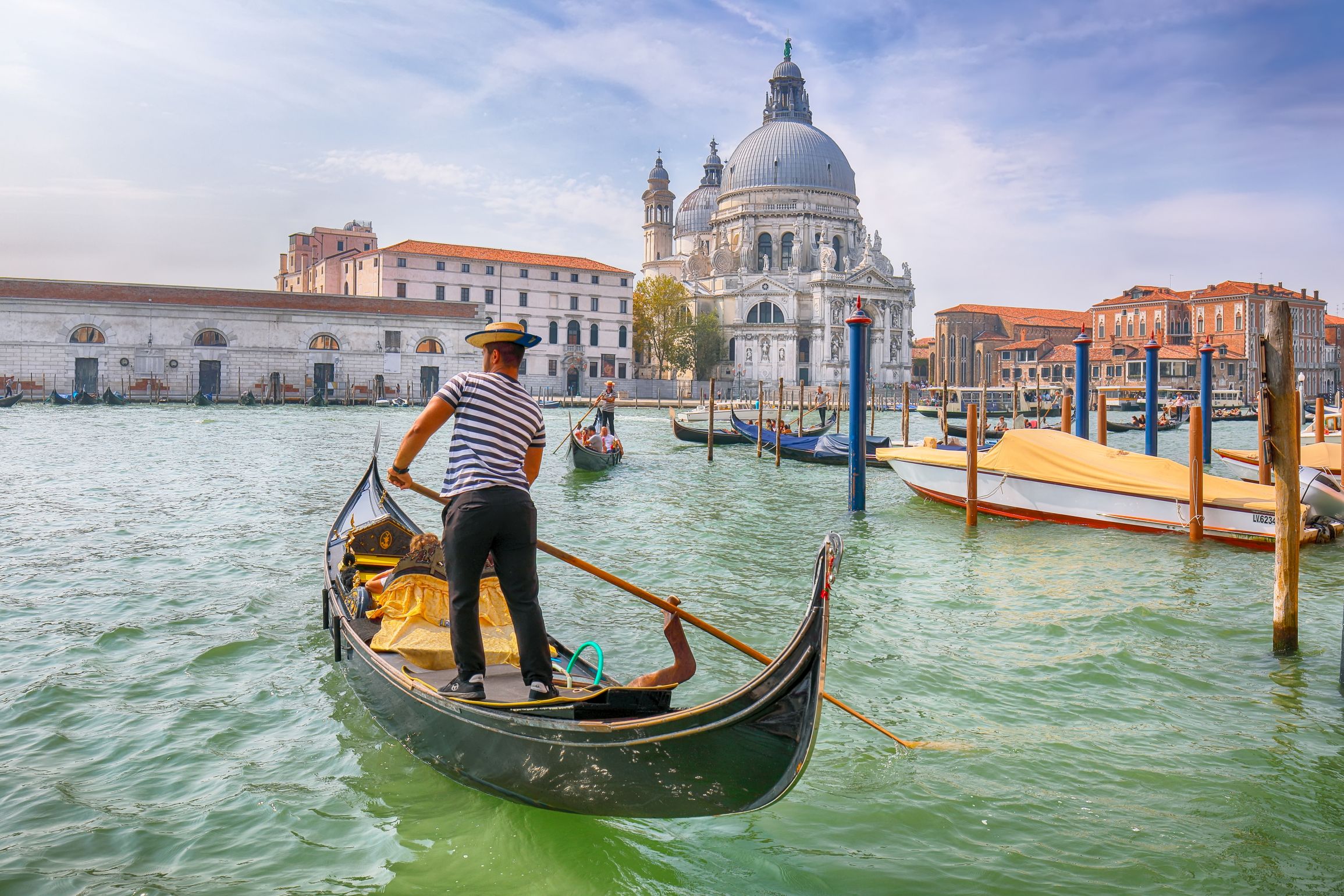
Every September, a small island off the coast of Venice becomes the most glamorous square mile on earth. The Venice Film Festival, the world's oldest, transforms the Lido di Venezia into a collision of cinema royalty, international press, and an atmosphere that no other festival in the world quite replicates. In 2026, the 83rd edition runs from 2 to 12 September, and it is shaping up to be a particularly significant year.
George Clooney and Ellen Burstyn both receive Golden Lions for Lifetime Achievement. Maggie Gyllenhaal presides over the jury. The competition lineup, announced in late July, has generated the kind of anticipation that suggests a strong awards season ahead. If you have ever considered going, this is the year.
Here is how to do it properly.
What Is the Venice Film Festival?
Founded in 1932, the Venice International Film Festival is the world's oldest film festival and one of its most prestigious. Unlike Cannes, which can feel impenetrable to anyone outside the industry, Venice has a long tradition of welcoming the public. Tickets for selected screenings are available to general audiences, prices are surprisingly accessible, and the overall atmosphere is one of genuine celebration rather than industry transaction.
The festival takes place on the Lido di Venezia, a narrow barrier island a short water taxi ride from Venice's historic centre. The Palazzo del Cinema hosts the major premieres and competition screenings; smaller venues across the island handle the rest. Evening red carpet events are the set pieces that make the front pages. Daytime screenings are where serious cinema lovers spend their time.
Getting There
Venice is served by Marco Polo Airport (VCE), one of Europe's most well-connected regional airports. Direct flights arrive from major European capitals, the Middle East, North America, and Asia-Pacific hubs, making it easily accessible for international visitors from anywhere in the world. For those arriving by rail, Santa Lucia station connects to Milan, Rome, Paris, Vienna, and beyond.
Here is something essential to understand before you arrive: cars cannot enter Venice. The city is built on water and there are no roads in the traditional sense. Drivers must stop at one of two points on the edge of the city. Piazzale Roma is the main bus and taxi terminus, the closest road access point to the historic centre. Tronchetto is a large parking island just beyond it. From either location, onward travel is by water, vaporetto (water bus), water taxi, or on foot across the bridges.
An Airport Executive driver will deliver you to Piazzale Roma from the airport, where your water taxi or hotel transfer awaits. During Festival week, knowing this handover point in advance makes the difference between a smooth arrival and a stressful one. We work with trusted water taxi partners so the full journey can be coordinated end to end.
Book your Venice airport transfer here
Where to Stay
Accommodation during the Festival divides into two camps: the Lido, or Venice itself.
Staying on the Lido is the practical choice for Festival attendance. You can walk to the Palazzo del Cinema and most screening venues, the island is quieter than central Venice, and you avoid the water taxi commute between films. The Lido is also accessible by car ferry from Tronchetto, which means guests arriving by road can reach it without passing through the historic centre at all.
Hotel Excelsior is the Lido's landmark property, a grand Moorish-inspired hotel that has hosted the Festival's stars since the 1930s. It books out within hours of the Festival dates going on sale. If it is full, Villa Mabapa is a quieter, more intimate alternative on the same island.
Staying in Venice itself suits those who want the city alongside the Festival. The Aman Venice, a 16th century palazzo on the Grand Canal, is the finest address in the city and arguably one of the finest hotels in the world. The Cipriani on Giudecca island is a close second, with a pool that remains one of Venice's great luxuries. Both require planning your Festival attendance around water taxi schedules, but the experience of Venice itself more than compensates.
Book everything before June. The city's accommodation capacity is finite and September is its peak month.
What to See
The Festival's official selection spans competition films competing for the Golden Lion, out-of-competition screenings, and the Venezia Immersive strand for VR and immersive work. Public tickets go on sale in mid-August through the official La Biennale website and sell out within hours, particularly for evening galas and anything featuring recognisable names.
A few approaches worth knowing:
Book the red carpet evenings. Even from a distance, the atmosphere outside the Palazzo del Cinema on a gala evening is extraordinary. This costs nothing. Arrive early, find a position along the barriers, and watch the industry arrive. It is one of those experiences that photographs poorly and lives in the memory well.
Go to the morning screenings. The 9am slots in the main competition are often the best way to see the films that matter without competing for tickets against the evening crowd. The audience is smaller, more attentive, and considerably less dressed up.
The Horizons (Orizzonti) section is where adventurous viewers find their best discoveries. Less high-profile than the main competition, and more interesting than most of what will reach a cinema near you for another year.
Venezia Immersive on its dedicated island is genuinely worth an afternoon. The technology has matured considerably in recent years and the work being shown is some of the most interesting in contemporary visual art.
Where to Eat
The Lido's dining options are modest outside the Festival period and strained during it. Booking is essential everywhere.
Restaurant Fortuny at the Hotel Excelsior is the obvious choice, Italian classics, terrace setting, and a clientele that makes people-watching an entertainment in itself.
Trattoria alle Dune is the Lido's best unpretentious option, reliable seafood, no pretension, the kind of place that has been feeding locals for decades and handles the Festival influx with good grace.
For a proper Venice meal, the 20-minute boat ride to the city is worth making. Osteria alle Testiere in Castello is among the city's most honest restaurants, just 24 covers, exceptional seafood, and a wine list that rewards attention. Book weeks in advance.
Antinoo's Lounge and Restaurant at the Centurion Palace is worth knowing for late evenings, good cocktails, water views, and the kind of crowd that the Festival generates at its best.
Practical Notes
Tickets for public screenings go live mid-August on labiennale.org. Single screening tickets range from roughly €12 to €50 depending on venue and time. Set a reminder. They go fast.
The dress code for evening red carpet events and official screenings is formal. Black tie is not uncommon. Daytime screenings are smart casual.
Weather in early September in Venice is warm and humid, typically 24 to 28°C. Pack accordingly.
The city is busy. September is Venice's peak month even without the Festival. Every journey takes longer than you expect. Build in time.
Book water taxis in advance if you need them at specific times. They are not reliably available on demand during Festival week.
Arrive Ready for It
The Venice Film Festival rewards guests who arrive with a plan. The logistics of the city, water everywhere, no roads, an island venue, can either be part of the romance or a source of considerable frustration, depending on how organised you are.
Airport Executive provides private transfers to Piazzale Roma from Marco Polo Airport. Your driver is waiting as you land, your luggage is handled, and your onward water connection is coordinated from there. We operate globally across more than 50 countries, so whether you are arriving from Tokyo, New York, Dubai, or Sydney, we can manage your ground transfer at the Venice end.
Airport Executive, a better way to travel.