

.svg)


.jpg)
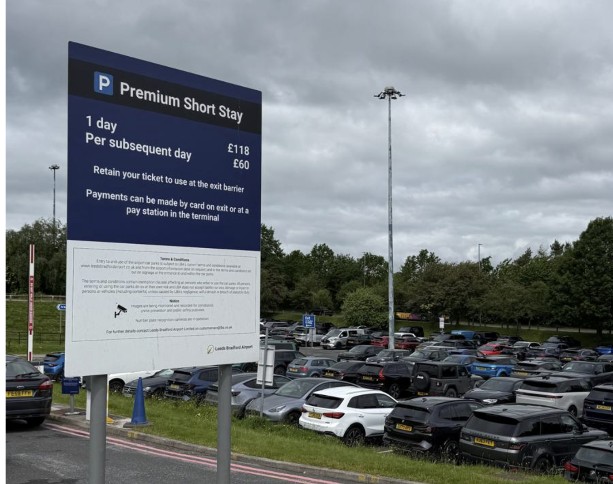
It is just after 1am at Leeds Bradford Airport, and the queue for passport control has barely moved in an hour. A family returning from holiday is on the phone, trying to calm the mother of one of them. She has driven out in the middle of the night to collect them, and she is sitting in the car park watching the clock.
One of our team was standing in that queue, right next to them. They were clearly distressed, and it wasn't about the holiday or the wait. It was about a parking charge. Travelling regularly through airports across the UK, we see moments like this far too often, and nobody should be panicking at one in the morning because a queue they can't control is running long.
Her worry was well founded. Leeds Bradford's free pick-up zone gives you one hour. Stay longer and standard parking rates apply, and if you leave and come back within the hour, a minimum charge of £68 applies.
This is the reality of getting to and from a UK airport in 2026. Drop-off charges were introduced in 2021 as a temporary way to recover revenue lost during the pandemic. They never went away. Today 24 of the 26 largest UK airports charge to drop a passenger at the terminal, only Birmingham and Inverness still let you do it free, and the prices rise almost every year.
Gatwick: from £6 to £10 in two years
Gatwick shows how fast these charges are climbing. The fee was £6 in January 2024. It rose to £7 in May 2025, then jumped to £10 on 6 January 2026. That is a 67% increase in two years, including a 43% rise in under eight months. The RAC described the latest jump as the largest drop-off increase it had ever seen.
The £10 buys you just ten minutes at the kerb. Every extra minute costs another £1, and forget to pay online by midnight the following day and you face a £100 Parking Charge Notice. Gatwick attributed the rise largely to a more than doubling of its business rates.
Gatwick is not alone. In the first three months of 2026:
- Heathrow rose from £6 to £7 and introduced a strict ten-minute maximum stay
- Stansted rose from £7 to £10, another 43% increase, with the charge jumping to £28 for stays over 15 minutes
- London City, the last major London airport to offer free drop-off, introduced an £8 charge for just five minutes
- Edinburgh rose to £8.50
When charges first arrived in 2021, most sat around £5. The going rate at the London airports is now £7 to £10, and there is no sign of the trend reversing.
Drop-off and parking charges at the UK's 15 busiest airports
Fourteen of the UK's 15 busiest airports now charge for a terminal drop-off, and a week in the official car park can cost more than the flight. Below are the standard forecourt drop-off rates, followed by each airport's cheapest turn-up (drive-up) price for 7 days of parking, as published between June and September 2026.
- London Gatwick: £10 for 10 minutes. A week's parking £230
- London Stansted: £10 for 15 minutes. A week's parking £336
- Edinburgh: £8.50 for 10 minutes. A week's parking £300
- Bristol: £8.50 for 10 minutes. A week's parking £240
- London City: £8 for 5 minutes. Weekly turn-up rate not available
- Leeds Bradford: £8 for 10 minutes. A week's parking £165
- London Heathrow: £7 for 10 minutes. A week's parking £271.20
- London Luton: £7 for 10 minutes. A week's parking £245
- Glasgow: £7 for 15 minutes. A week's parking £140
- Newcastle: £6 for 10 minutes. A week's parking £280
- Liverpool John Lennon: £6 for 10 minutes. A week's parking £160
- Manchester: £5.50 for 5 minutes. A week's parking £443.80
- Belfast International: £5 for 10 minutes. A week's parking £95
- East Midlands: £5 for 15 minutes. Weekly turn-up rate not available
- Birmingham: free for 10 minutes. A week's parking £301
Most airports add per-minute charges once the drop-off allowance runs out, and unpaid fees typically trigger a penalty notice of £80 to £100. Prices change often, so always check the airport's own website before you travel. Sources: ParkMath drop-off charges and ParkMath parking prices, both verified against official airport pages.
Long-stay parking: the bill waiting when you get home
If the drop-off charge is the toll at the kerb, long-stay parking is the bill waiting for you when you get home. Turn up at Manchester's cheapest car park for a week and the airport asks £443.80. Stansted wants £336, Edinburgh £300, and Birmingham, the one airport still offering free drop-off, £301. A week in Heathrow's Park & Ride costs £271.20.
Airports will say you should pre-book, and pre-booking does bring prices down, sometimes sharply. But when the same space can cost several times more simply because you did not book weeks ahead, the price says more about demand than about what a parking bay costs to provide. Travellers called away at short notice, or whose plans change, pay the most.
Even pre-booked, the bill adds up. A week in one of Manchester's terminal multi-storey car parks typically runs to £100 to £140 booked in advance, and pre-booked prices are dynamic, so they tend to be higher in busy periods such as the summer holidays, when families have little choice about when they travel. At Stansted, for example, an 8-day stay in JetParks was listed at £69.99 in August against £49.99 off-peak.
Then there is the premium on top. Airports now sell "premium" versions of the same car parks, a few spaces closer to the door, at a mark-up. At Gatwick, a day in Premium Short Stay costs £87.50 against £70 for standard Short Stay, and even an hour costs £19 instead of £14. At Stansted, a pre-booked week in the premium Short Stay Orange zone starts at £94, against £74.99 for Short Stay Blue a ten-minute walk away. That is roughly 25% extra for a shorter walk, charged to the families, older travellers and people with heavy luggage who need it most.
For a family on a week's holiday, a parking bill of £250 to £450 is a serious slice of the budget, spent on leaving a car standing still.
Picking someone up: the meter is already running
Collecting someone is often worse than dropping them off, because you cannot control when they walk out. A delayed flight, a slow baggage belt or an hour-long passport queue all land on the driver's bill. At Gatwick, anything from 31 minutes to an hour in the Short Stay car park costs £14. At Heathrow, just under an hour in Terminal Parking costs £15.50. The free alternatives are usually a shuttle ride away, with strict time limits and penalties for going over.
Now set that against the price of the flight. Low-cost airlines regularly sell seats across Europe for under £20, with easyJet advertising fares to Palma from £16.99 and Alicante from £19.99. Drop someone at Gatwick for £10 and collect them a week later for £14, and you have paid £24 just to use the airport's kerb and car park. That is more than the flight. It shows how far these charges have drifted from the cost of the journey itself.
Rising year after year
UK airports tend to move together. When one raises its charge, others often follow within months, and each can point to the others' prices as the going rate. In January 2026 alone, Heathrow went to £7, Gatwick to £10 and London City introduced a charge for the first time. Stansted matched Gatwick's £10 in March.
The RAC found that 16 of the UK's 20 busiest airports raised their drop-off charges over the past year, pushing the average up by around a third to £7. Each rise makes the next easier to justify, while what the passenger actually gets, a few minutes at the kerb, stays exactly the same.
The contrast with the continent is striking. Paris Charles de Gaulle and Paris Orly both allow ten minutes of free drop-off. Venice Marco Polo lets cars stop outside the terminal for up to 20 minutes at no cost, Milan Malpensa offers a free waiting area for up to an hour, and Ljubljana's drop-off zone is free for ten minutes. These airports face the same pressures on congestion and costs, yet they have chosen to keep the terminal kerb free.
Government policy plays its part. Business rates on airports have risen sharply, with Gatwick's bill rising by £11.9m to £51.6m for 2026-27 and Heathrow's by £35m to £151.5m. Airports cite those increases when raising charges, and full VAT is then added to every parking charge. The traveller ends up paying twice.
For the airports, it is a numbers game. When Heathrow introduced its £5 drop-off charge in 2021, it expected it to raise around £100 million a year. Multiply a few pounds by millions of cars, and the terminal kerb becomes some of the most lucrative tarmac in the country.
Why so many people have no choice but to drive
Airports say the fees reduce congestion and encourage public transport. That argument only works if public transport is a genuine option, and for a great many passengers it simply is not. The charge punishes people for circumstances they cannot change.
Early departures and late arrivals
A 6am flight means checking in around 4am, long before most trains and buses start running. Late-night arrivals face the same problem in reverse, landing after the last service has gone. For these travellers the car is not a choice. It is the only way to make the flight.
A wet and windy January morning
Picture it: 4am, pitch dark, rain driving sideways and a ten-minute walk to the bus stop with suitcases in tow. Then a wait on an exposed platform for a connection that may or may not run, and arriving at the terminal soaked before the trip has even begun. On a morning like that, public transport is not a realistic alternative. The car is the obvious answer, and that is exactly when the airport charges you for it.
Greener options that don't turn up
Airports say the charges push people towards greener travel, but a train only helps if it runs. Cancellations, engineering works and rail replacement buses are a regular feature of weekend and late-night travel, and a missed connection can mean a missed flight. Passengers are being charged for the car precisely because the alternative cannot be relied on.
Suitcases on dark approach roads
It is not unusual to see people dragging suitcases along dark approach roads. They have been dropped short of the terminal because the driver didn't want to stop on the double red lines and risk a hefty fine, or pay the forecourt charge. Nobody should start their holiday like that.
At some airports, the roads and drop-off arrangements simply have not kept pace with the terminals they serve. At peak times our drivers have seen long queues just to reach the drop-off, and passengers getting out and running for the terminal to make their flights. A beautiful new terminal is of little use if people can't get to the door.
Families with children
Anyone who has wrestled two suitcases, a pushchair and a tired toddler through a station knows why families drive. Changing trains with young children and a week's luggage is exhausting before the holiday has even started.
Passengers with disabilities or reduced mobility
For many disabled and elderly travellers, a step-free route from front door to terminal door is essential. Some airports exempt Blue Badge holders, but not every passenger with limited mobility holds a badge, and exemptions often need registering in advance.
Feeling safe, especially at night
Many people, particularly those travelling alone, do not feel safe on quiet platforms or near-empty buses in the small hours. Nobody should have to choose between personal safety and an extra fee.
The free alternative is rarely free of hassle
Most airports point to a free drop-off area in a remote long-stay car park, followed by a shuttle bus. In practice that means unloading luggage in a car park, waiting for a bus and allowing an extra 15 to 25 minutes. For a family, an elderly relative or anyone on an early flight, that is hardly a real alternative.
What driving yourself really costs
Take a family flying from Heathrow for a week. They have three realistic ways to get there.
The first is to drive and park. Turning up on the day, a week in Heathrow's Park & Ride costs £271.20, before fuel and the shuttle ride to the terminal with the luggage. Pre-booking brings that down, but prices vary with demand and tend to be higher at peak times.
The second is a lift from family or friends. The drop-off costs £7 and collecting them a week later costs up to £15.50 in Terminal Parking if the flight lands on time. That is £22.50 in airport charges, plus four separate journeys for whoever is driving, often in the middle of the night, and the stress of a flight delay or a long passport queue landing on someone else.
The third is a private transfer. A fixed fare each way, agreed when you book, with any airport drop-off or parking charges passed on. No week-long parking bill, no online payments to remember, no shuttle bus and no one giving up their night. For many families, once the parking and charges are added up, the difference is smaller than they expect, and the journey is a great deal calmer.
The better way: a private door-to-door transfer
A pre-booked private transfer removes every one of these problems in one step. Instead of paying to stop at the kerb, paying to park for a week, or dragging luggage through a remote car park, you are collected from your door and set down at the terminal entrance.
Door-to-door service means no train changes, no shuttle buses and no carrying bags further than your front step. Your driver loads the luggage, and you arrive at departures ready to check in.
It runs 24 hours a day, so a 3am pickup for a first-wave departure is as routine as a midday one. The same goes for late-night arrivals, long after public transport has stopped.
It is reliable. Journeys are planned around your flight time, and for arrivals your flight is tracked, so your driver is waiting even if you land early or late. A dedicated dispatch team monitors every journey, so there is always someone to call.
It suits families and passengers with additional needs. Child seats can be arranged in advance, spacious vehicles take pushchairs and mobility aids, and you travel at your own pace without crowds.
It is safe and professional. Licensed, vetted chauffeurs mean you know exactly who is driving you, which matters most at night or when travelling alone.
And the cost is clear from the start. Ride-hailing apps use surge pricing, so fares can jump just when you need a car most: when a delayed flight lands late at night, when passengers have missed the last train, or when trains are cancelled and everyone is looking for a ride at once. Airport Executive works differently. You agree a fixed fare when you book, and a surge in demand on the night won't change it. Any airport drop-off or parking charges incurred on your journey are passed on as charged, but there is no week of parking to pay for, no online payment deadline to remember and no risk of a £100 penalty notice. Nobody in the family has to give up their early morning or late night to act as chauffeur, either.
Travel the better way with Airport Executive
At Gatwick, the drop-off charge has doubled since 2021, and charges across the UK are still rising. Nobody can control what airports charge at the kerb, but you can avoid a week of parking fees and leave the hassle of airport charges to someone else.
Airport Executive has been providing premium chauffeur and airport transfers for over 35 years, with a 24-hour service, professional licensed chauffeurs and an in-house dispatch team behind every journey. Tell us your flight and we will take care of the rest.
Book your airport transfer here, email bookings@airportexecutive.com or call our reservations team on +44 (0)208 838 3333.
Airport Executive, a better way to travel.